
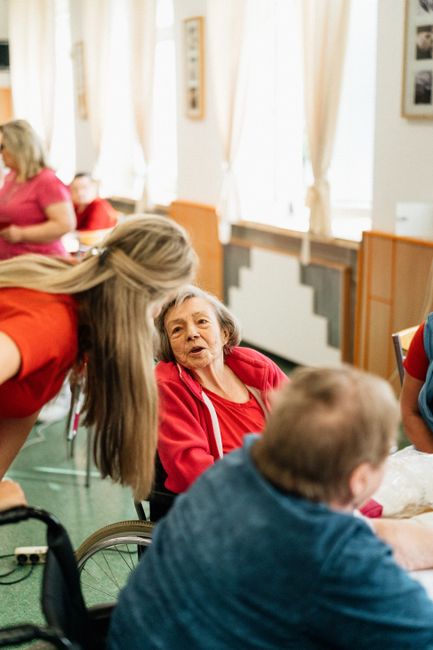
Living in an assisted living residence is usually less about giving up independence and more about changing how everyday tasks are handled. A resident may have help with bathing, dressing, medications, meals, or mobility while still making personal choices about routines, relationships, belongings, and activities.
The following interview-style article presents a realistic composite conversation based on common experiences reported by assisted living residents. It is not a transcript of one named individual. Daily routines differ according to health needs, residence policies, staffing, weather, and personal preferences.
What does a typical morning look like?
Most mornings begin with a familiar routine, but residents do not all wake up at the same time or need the same level of help.
A resident might say:
> “I like having a schedule, but I do not like feeling rushed. Some mornings I get dressed independently. Other mornings I need help with buttons, socks, or getting safely to the bathroom.”
Morning assistance may include:
- Getting out of bed or transferring to a chair
- Bathing, grooming, or dressing
- Managing hearing aids, glasses, or mobility equipment
- Taking scheduled medications
- Walking to the dining room or receiving a meal in the living unit
In a well-organized setting, the schedule should support the resident rather than control every minute. A person who prefers quiet mornings may need to explain that preference during care planning.
Cold temperatures, snow, and icy sidewalks can affect routines in New Castle, PA, especially during winter. Residents who normally enjoy walking outdoors may spend more time in indoor common areas when surfaces are slippery or daylight is limited.
How much independence do residents really have?
Residents generally retain more personal control than families sometimes expect. Assisted living is not the same as a hospital, and residents commonly continue choosing their clothing, arranging personal belongings, deciding how to spend free time, and maintaining relationships.
A resident may describe independence this way:
> “I cannot do everything as quickly as I once did, but I still decide what I want to wear, who I call, and whether I join an activity.”
Pennsylvania assisted living residents have rights related to privacy, personal possessions, communication, participation in decisions, and freedom from abuse, neglect, and unnecessary restrictions. A residence may provide support, but assistance should not automatically mean that every choice is made for the resident.
Independence can also involve small decisions that are easy to overlook:
- Choosing where to sit during meals
- Keeping familiar furniture or photographs
- Deciding whether to attend group activities
- Asking for a preferred bathing time
- Spending quiet time alone
- Maintaining religious, cultural, or family routines
Families can help by asking what the resident wants rather than assuming that more supervision is always better.
What are meals and dining like?
Meals often become one of the most predictable parts of the day. Residents may eat in a shared dining room, choose from available options, or receive modified meals based on medical, dental, or swallowing needs.
One resident might explain:
> “The food matters, but the conversation matters just as much. Some people come early because they like talking. Others eat quickly and return to their rooms.”
Dining experiences vary. Useful questions include:
- Are meal times fixed or flexible?
- Can residents request substitutions?
- How are food allergies handled?
- Can a family member share a meal?
- Are snacks available between meals?
- How are low-sodium, diabetic-friendly, soft, or thickened foods provided?
Reduced appetite is common among older adults, but a sudden change in eating or drinking may signal illness, medication effects, depression, dental problems, or difficulty swallowing. Changes should be discussed with the appropriate care team rather than treated as simple pickiness.
What happens during the middle of the day?
Afternoons may include activities, appointments, rest, visits, exercise, or ordinary household routines. Assisted living is not supposed to mean constant group entertainment. Some residents enjoy busy common areas, while others prefer reading, television, puzzles, music, or conversation with one or two people.
A resident may say:
> “I tried several activities before finding the ones I liked. I enjoy smaller groups more than crowded events.”
Activities may include crafts, games, exercise sessions, discussion groups, music, religious observance, gardening, or seasonal gatherings. Participation should be voluntary whenever possible. A resident who does not attend activities is not necessarily isolated, but regular withdrawal, sadness, or confusion deserves attention.
For residents who enjoy going outdoors, sidewalks, uneven ground, snow, and temperature changes may affect safety. A short supervised walk, time on a porch, or an indoor walking route may provide movement when outdoor conditions are poor.
How do residents handle medications and health needs?
Medication assistance is one of the reasons some adults choose assisted living. Staff may remind residents, organize medications, or administer them according to the residence’s licensing and care procedures.
A resident might put it this way:
> “I used to worry about whether I had taken my pills. Now that part is organized, but I still want to know what I am taking and why.”
Residents and families should keep an updated medication list and ask questions about new prescriptions, side effects, missed doses, and changes in health. Assisted living can provide support with daily needs, but it is not the same as a nursing facility with continuous medical care.
A change in mobility, memory, continence, mood, or ability to eat may require a reassessment of the resident’s support plan. Waiting until a crisis can make transitions more difficult.
What is the hardest part of the adjustment?
The hardest part is often emotional rather than physical. Moving from a private home may involve grief over lost routines, reduced space, fewer familiar neighbors, or the death of a spouse or close friend.
A resident may explain:
> “The first few weeks were tiring. I had to learn new names, new sounds, and a new way to get through the day.”
Common adjustment concerns include:
- Missing a former home
- Feeling embarrassed about needing help
- Worrying that family members will visit less often
- Having trouble sleeping in a new environment
- Feeling uncomfortable around residents with different abilities
- Losing confidence after a fall or hospitalization
A consistent visiting routine can help, but visits should not become an inspection. Asking about a favorite part of the day, a new friend, or an activity can create a more natural conversation than repeatedly asking whether everything is acceptable.
What should families ask a resident during a visit?
Open-ended questions usually reveal more than “Are you okay?” A resident may automatically say yes to avoid worrying family members.
Helpful questions include:
- What part of the day feels easiest?
- Is there anything you are waiting too long for?
- Do staff understand how you prefer to be helped?
- Are you sleeping and eating normally?
- Do you feel comfortable asking for assistance?
- Is there an activity you would like to try?
- Do you have enough privacy?
- What would make tomorrow easier?
Look for patterns rather than judging one difficult day. A resident may be tired after an appointment, frustrated by a temporary delay, or unsettled by a recent room change. Repeated concerns about unanswered requests, unexplained injuries, missing belongings, medication problems, or fear of speaking openly should be taken seriously.
What does a good day feel like?
A good assisted living day is not necessarily full of activities. It may be a day when a resident wakes without pain, eats a preferred breakfast, speaks with a friend, receives help without embarrassment, and makes a few personal choices.
The most meaningful measure is whether the resident feels safe, respected, heard, and connected to ordinary life. For households in New Castle, that may include staying connected with family, adapting outdoor routines to seasonal weather, keeping familiar traditions, and preserving as much personal control as health and safety allow.
What should a resident remember about personal rights?
A resident should not have to surrender dignity in exchange for assistance. Questions, concerns, complaints, and requests for changes to a care plan are legitimate parts of residential life.
Residents should know whom to approach if they feel ignored, unsafe, pressured, or treated unfairly. Keeping important phone numbers, care-plan information, medication details, and emergency contacts in an accessible place can make it easier to speak up and involve a trusted designated person when needed.
The resident’s perspective remains essential. Family members and staff may observe changes, but the person living the routine can often explain best what is working, what is difficult, and what support would make daily life more comfortable.
