

What Major Life Changes Affect Seniors in New Castle, PA?
Many older adults in New Castle, PA experience significant changes, including moving to new living arrangements, managing health conditions, or adjusting after loss. These transitions can be emotional and disrupt routines, affecting both the individual and their family. Seasonal weather, local housing types, and extended family in the area can all shape how these changes unfold for residents.
Common transitions include:
- Downsizing from a single-family home to an apartment or assisted living
- Adjusting to mobility or health limitations
- Loss of a spouse, friend, or long-time neighbor
- Shifts in daily routines due to household or caregiving changes
Local factors—like steep winters, neighborhood layouts, or family proximity—can shape the timing and nature of these transitions in the community.
Why Are Transitions Difficult for Many Older Adults?
Adjusting to change can be difficult at any age, but seniors may face unique challenges. Familiar routines and environments offer comfort; changes can lead to feelings of loss, anxiety, or loneliness.
A few reasons these transitions can be especially tough in the city:
- Generations of family history in a single home
- Fewer opportunities for socializing during long winters
- Health limitations making new environments overwhelming
- Attachment to longstanding community traditions
Coping is harder when change feels sudden or involuntary, such as moving after a health event or losing the ability to drive because of local road conditions.
How Can Families Help Ease the Transition?
Support from loved ones makes a big difference. Listening without judgment and involving seniors in decision-making leads to smoother transitions. Small gestures—like helping sort keepsakes or visiting a new residence together—show respect and care.
Practical strategies include:
- Talking openly about feelings and concerns related to change
- Offering choices whenever possible, such as selecting new furniture or activities
- Keeping familiar items nearby to maintain a sense of home
- Respecting a person's pace when adjusting routines or surroundings
In the city, involving family and close friends from the area can provide an extra sense of continuity. Familiar faces help seniors feel connected, even when their environment changes.
What Community Resources Can Residents Turn To?
Local resources offer guidance and connection. Public agencies, religious groups, and community centers in the area often host social activities or support groups that reduce isolation.
Options may include:
- Public library programs for older adults
- Social events at churches or community centers
- Municipal transportation services for getting to medical appointments or errands
- Information lines from local agencies on aging
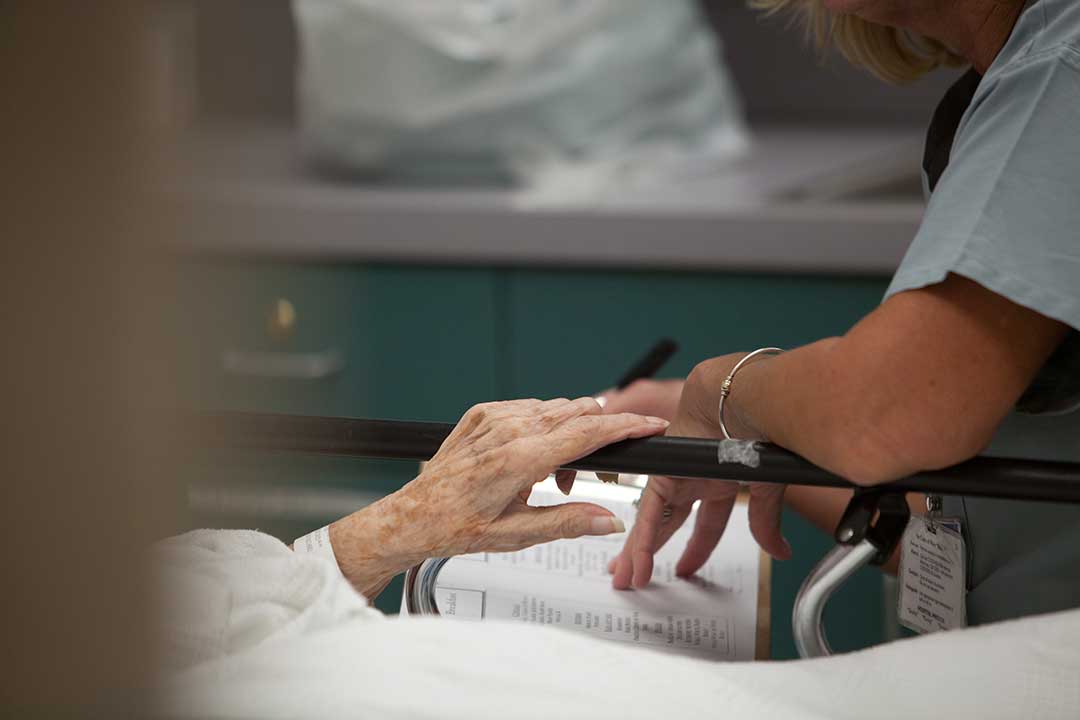
Accessing these resources can help seniors build new routines and friendships, especially during the winter months when isolation is more common.
Are Emotional Reactions to Change Normal?
Yes, most people feel some stress, sadness, or frustration during major life changes. Adapting can take weeks or even months. For residents in New Castle, reactions might be stronger during seasons that limit outdoor activities or separate people from neighbors.
Indicators of healthy coping:
- Willingness to share feelings, even if difficult
- Gradual engagement in new activities—including indoor options during winter
- Maintaining some long-standing routines, even in a new setting
If sadness, withdrawal, or anxiety persists for an extended period, families or close friends may consider suggesting a chat with a doctor or counselor.
What Coping Strategies Have Helped Local Seniors Adjust?
Every person is different, but these approaches have made transitions smoother for many area seniors:
- Participating in local social groups tailored to their interests
- Taking brief daily walks when weather permits—even just around a block or inside
- Displaying cherished family photos or keepsakes in their new space
- Staying updated about local happenings through neighborhood newsletters or phone calls with friends
Some residents also find it helpful to maintain familiar routines, such as morning coffee at the kitchen window or reading the newspaper, to ground them during periods of change.
Are There Misconceptions About Seniors and Change?
A common misconception is that older adults are uniformly resistant or incapable of adapting. Many seniors show tremendous flexibility when given agency and support. Thinking that all older adults need the same kind of help can unintentionally diminish their confidence.
Some may prefer a gradual approach, while others want to dive into new routines. Life experience in the area—navigating the region’s weather or local traditions—can be a source of resilience for seniors in this community.
How Can New Castle Residents Build a Sense of Belonging After a Move?
Feeling at home after a big change can take time, but involvement in the local community helps. Introducing oneself to neighbors, volunteering for community events, or simply attending group activities can spark new connections. Area churches, libraries, and civic organizations often welcome new participants and may host programs specifically for newcomers.
Residents sometimes overlook the role of nearby nature—city parks or neighborhood gardens offer calming places to walk or sit, even during brief periods of milder weather. Adapting favorite pastimes—like gardening in raised beds or playing cards with a neighbor—can restore a sense of continuity after a move.
