
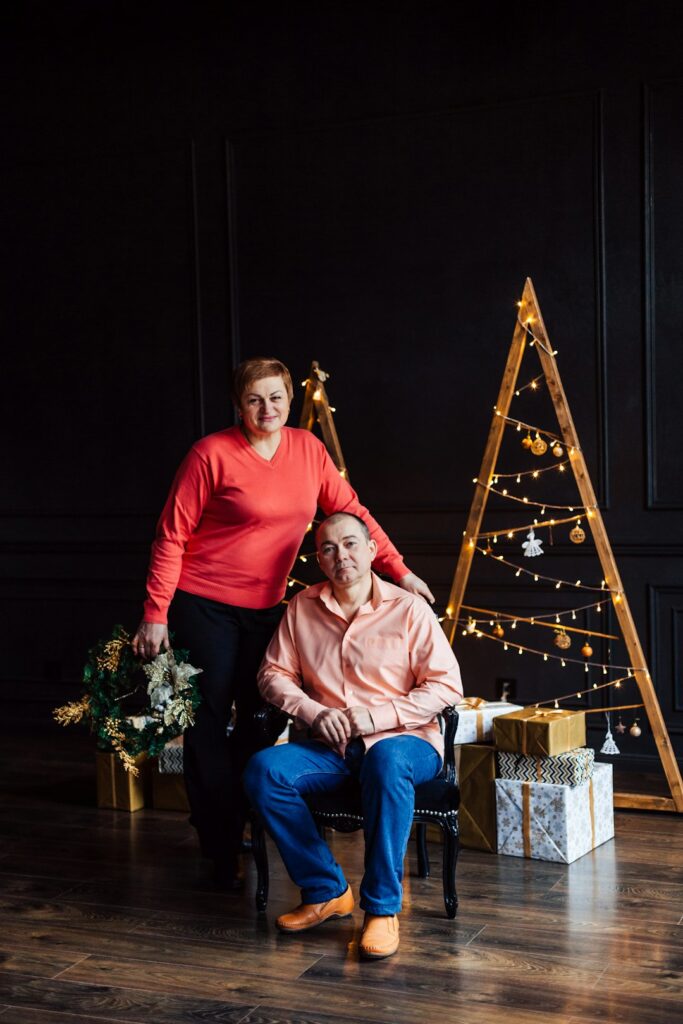
Holiday celebrations in assisted living can be meaningful, familiar, and enjoyable without requiring residents to manage crowded schedules or exhausting travel. The most successful celebrations usually combine familiar traditions, flexible participation, safe surroundings, and attention to each person’s preferences.
How can residents celebrate holidays in assisted living?
Residents can celebrate through shared meals, seasonal decorations, music, religious observances, family visits, crafts, storytelling, and quiet personal traditions. Participation should be optional, with activities adapted for different mobility levels, hearing or vision needs, dietary restrictions, and energy levels.
A holiday does not need to be large or elaborate to feel special. For some residents, the most meaningful part may be:
- Listening to familiar songs
- Looking through family photographs
- Baking or decorating simple treats
- Watching a favorite holiday program
- Sending cards or recording a message for family
- Attending a service or observing a personal faith tradition
- Sharing memories about past celebrations
Residents who do not celebrate a particular holiday should also have comfortable alternatives. Seasonal activities can focus on friendship, winter traditions, music, food, and community rather than assuming everyone observes the same occasion.
What makes a holiday celebration comfortable and accessible?
A comfortable celebration gives residents choices about where, when, and how long they participate. Activities held in smaller groups may be easier for people who become tired in noisy or crowded spaces.
Helpful planning details include:
- Providing chairs with arms and clear walking paths
- Keeping decorations secure and away from exits
- Using large-print menus, song sheets, and invitations
- Limiting background noise during conversations
- Offering rest areas near the activity
- Scheduling events at times when residents are generally alert
- Providing familiar foods along with special holiday dishes
- Making temperature and lighting comfortable
- Allowing residents to leave early without embarrassment
Winter weather can make outdoor travel and family visits more difficult in New Castle, PA. Indoor celebrations, flexible visiting times, and virtual visits can help residents remain connected when snow, ice, or cold temperatures affect transportation.
How can families participate without overwhelming a resident?
Family involvement is often meaningful, but too many visitors, long visits, or unexpected changes can cause fatigue. Shorter visits spread across several days may be easier than one large gathering.
Families can ask the resident what feels most enjoyable before making plans. A resident may prefer a private visit, a small meal, a shared activity, or time with only one or two relatives.
Practical approaches include:
- Planning visits around the resident’s normal meal and rest schedule
- Limiting the number of visitors in a room at one time
- Bringing familiar photographs, ornaments, or music
- Choosing seated activities instead of requiring constant movement
- Watching for signs of tiredness, confusion, or overstimulation
- Keeping young children’s visits brief and prepared
- Avoiding pressure to attend every event
A resident with memory loss may enjoy a celebration even if the date, names, or details are confusing. Simple conversation, familiar objects, and calm reassurance are usually more helpful than correcting every mistaken detail.
What holiday activities work well for residents with memory loss?
Activities connected to the senses and past routines often work well. Familiar music, seasonal scents, textured decorations, and simple food preparation can encourage participation without requiring residents to remember complex instructions.
Suitable activities may include:
- Folding napkins
- Sorting greeting cards
- Decorating pre-baked cookies
- Looking through labeled family photographs
- Singing familiar songs
- Arranging artificial flowers or greenery
- Wrapping empty boxes for decoration
- Sharing stories about winter traditions
Instructions should be short and demonstrated one step at a time. The goal is participation rather than producing a perfect craft or completing a task independently.
Some holiday customs can also trigger sadness, confusion, or grief. Staff and families should not assume that every resident wants to discuss past holidays, deceased relatives, or changes in family traditions. Gentle questions such as “Would you like to join us?” give the resident room to choose.

How should food and dietary needs be handled?
Holiday meals should include choices that fit medical diets, swallowing needs, allergies, religious practices, and personal preferences. Rich foods and unfamiliar dishes may be enjoyable for some residents but uncomfortable or unsafe for others.
Families should share relevant information before bringing food into the residence. This may include:
- Food allergies
- Diabetes-related restrictions
- Difficulty chewing or swallowing
- Low-sodium or modified-texture diets
- Foods that interact with medical conditions
- Cultural or religious food preferences
Small portions can allow residents to sample special dishes without creating pressure to finish a large meal. Clearly identifying foods is also helpful when several dishes look similar.
Homemade foods may carry additional safety concerns if refrigeration, ingredients, or preparation conditions are unclear. Food should be labeled with its contents and preparation date when possible, and residents should follow the residence’s rules for outside food.
Can residents continue personal or religious traditions?
Yes. Personal traditions can often be adapted rather than abandoned. A resident may continue a prayer routine, light an electric candle, display a meaningful object, listen to sacred music, or attend an observance in a designated space.
Open flames, certain plants, breakable decorations, and electrical items may be restricted for safety. Alternatives such as battery-operated candles, unbreakable ornaments, or tabletop displays can preserve the feeling of a tradition while reducing hazards.
Residents should be able to explain how they prefer to observe a holiday. Some may want a group gathering, while others may value quiet reflection or a private visit from a spiritual support person.
What safety concerns should be considered during holiday visits?
Holiday decorations and gatherings should not interfere with mobility, emergency access, infection-control practices, or resident supervision. Small safety problems can become more serious when hallways are crowded or rooms contain extra furniture and cords.
Families can help by:
- Keeping bags, gifts, and coats out of walking paths
- Avoiding loose rugs, dangling cords, and unstable decorations
- Using flameless lights instead of open flames
- Checking that gifts are safe and easy to open
- Staying home when experiencing contagious symptoms
- Following visitor limits and hand hygiene practices
- Telling staff if a resident seems unusually tired or unwell
Residents with limited balance may need help opening packages or moving between rooms. Gifts should support comfort and independence rather than create unnecessary clutter.
How can holidays be meaningful for residents who cannot travel?
A resident does not need to leave assisted living to feel connected to family and community. Photos, video calls, mailed cards, recorded messages, and shared meals can bring familiar relationships into the residence.
Families may also create a simple holiday routine that can be repeated each year, such as reading the same poem, listening to a favorite album, or sharing one family story. Repetition can provide comfort, especially for residents who find large changes difficult.
For residents who are unable to communicate easily, presence still matters. Sitting together, holding a hand when welcomed, looking at photographs, or listening to music can be meaningful even without extended conversation.
What if a resident does not want to celebrate?
A resident’s choice not to participate should be respected. Holidays can bring difficult memories, grief, financial worries, family conflict, or religious differences. Declining an activity does not necessarily mean the resident is lonely or ungrateful.
A quiet meal, ordinary daily routine, or private visit may be the preferred form of comfort. Staff and family members can offer options without repeated persuasion. The most supportive celebration is one that reflects the resident’s wishes, abilities, history, and current emotional needs.
