

Healthy aging is not about avoiding every health problem or following a perfect routine. For assisted living residents, it usually means preserving strength, balance, comfort, independence, social connection, and the ability to participate in everyday life.
The most useful habits are often simple: moving regularly, eating enough nutritious food, sleeping consistently, preventing falls, staying socially connected, and reporting changes in health early.
How can assisted living residents stay physically active?
Regular movement supports strength, balance, mood, sleep, and the ability to manage daily tasks. Older adults can benefit from a combination of aerobic activity, muscle strengthening, and balance exercises, adjusted to their abilities and health conditions. ([nia.nih.gov](https://www.nia.nih.gov/health/exercise-and-physical-activity/health-benefits-exercise-and-physical-activity?utm_source=openai))
Activity does not have to mean strenuous exercise. Appropriate options may include:
- Walking in an indoor hallway or safe outdoor area
- Seated leg lifts, arm movements, or stretching
- Light resistance exercises using bands or small weights
- Standing from a chair several times, if safe
- Tai chi, gentle yoga, or supervised balance activities
- Participating in planned group movement sessions
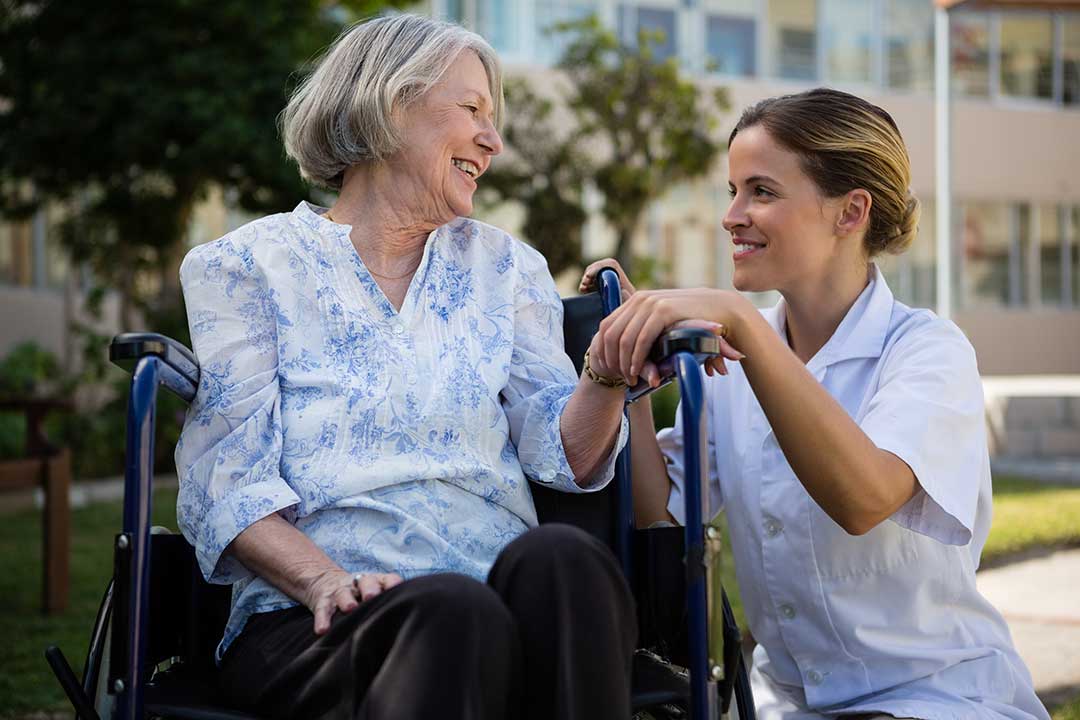
A person who uses a walker, wheelchair, oxygen, or other support can still benefit from movement. The activity may need to be shorter, slower, or performed while seated. Anyone with chest pain, unusual shortness of breath, dizziness, severe pain, or a sudden change in ability should stop and report the symptom promptly.
During icy or snowy periods in New Castle, outdoor walking may be less practical. Indoor walking routes, supervised exercise, and comfortable footwear can help residents remain active without taking unnecessary risks.
What should older adults eat and drink?
Nutritious meals help maintain muscle, energy, immune function, and regular bowel habits. Older adults generally benefit from a variety of vegetables, fruits, whole grains, protein foods, dairy or fortified alternatives, and healthy fats. Protein sources may include eggs, fish, poultry, yogurt, beans, peas, lentils, and fortified soy foods. ([nia.nih.gov](https://www.nia.nih.gov/health/healthy-eating-nutrition-and-diet/healthy-meal-planning-tips-older-adults?utm_source=openai))
Residents should tell staff or a healthcare professional if they notice:
- Reduced appetite or unplanned weight loss
- Difficulty chewing or swallowing
- Ongoing nausea, constipation, or diarrhea
- Changes in taste that make meals unappealing
- Trouble opening containers or feeding themselves
- Concerns about food allergies or dietary restrictions
Drinking enough fluid is also important, although individual limits may apply for some heart, kidney, or liver conditions. Thirst may become less noticeable with age, so drinking small amounts throughout the day can be helpful when permitted.
A common misconception is that eating less is always healthier. Older adults who unintentionally eat too little may lose muscle and become weaker. Restrictive diets, fasting plans, or vitamin supplements should not be started without discussing them with a qualified healthcare professional.
How can residents reduce their risk of falling?
Falls are not an unavoidable part of aging. Reviewing medications, improving lighting, using prescribed mobility devices correctly, and addressing vision or balance problems can reduce risk. ([cdc.gov](https://www.cdc.gov/steadi/media/pdfs/STEADI_ClinicianFactSheet-a_1.pdf?utm_source=openai))
Practical habits include:
- Wear well-fitting shoes with secure soles.
- Keep needed items within easy reach.
- Use handrails and mobility aids as instructed.
- Rise slowly from bed or a chair.
- Keep pathways clear of loose rugs, cords, bags, and clutter.
- Use adequate lighting, especially between the bed and bathroom.
- Report new dizziness, weakness, numbness, or unsteadiness.
- Ask whether any medication may cause sleepiness or lightheadedness.
A fall should be reported even when there is no obvious injury. Pain, confusion, difficulty bearing weight, or a head impact may require prompt medical evaluation.
How much sleep do older adults need?
Most older adults still need about seven to nine hours of sleep each night. Aging may change sleep timing and make sleep lighter, but constant exhaustion should not simply be dismissed as normal. ([nia.nih.gov](https://www.nia.nih.gov/health/sleep/sleep-and-older-adults?utm_source=openai))
Helpful routines include going to bed and waking up at similar times, limiting late-day naps, avoiding caffeine late in the day, and keeping the bedroom quiet and comfortable. Regular daytime activity may improve nighttime sleep, but strenuous exercise close to bedtime can be disruptive.
Snoring, pauses in breathing, restless legs, repeated nighttime waking, pain, or frequent daytime sleepiness should be discussed with a healthcare professional. Sleep problems can sometimes be related to medications, depression, breathing disorders, or other treatable conditions.
Why are social connection and meaningful activity part of healthy aging?
Healthy aging includes emotional and cognitive well-being, not only physical health. Conversations, hobbies, music, games, spiritual practices, creative activities, and contact with family or friends can provide structure and reduce isolation.
Meaningful activity does not need to be complicated. A resident might sort photographs, write letters, help arrange a table, attend a discussion group, listen to familiar music, or learn a new skill. Activities are more likely to be useful when they match the person’s interests, culture, abilities, and energy level.
Withdrawal, persistent sadness, unusual irritability, loss of interest, changes in appetite, or statements about hopelessness deserve attention. Depression is not a normal requirement of growing older, and memory or behavior changes should be discussed rather than assumed to be “just aging.” ([nia.nih.gov](https://www.nia.nih.gov/health/infographics/tips-boost-your-health-you-age?utm_source=openai))
Which health checks should residents keep up with?
Routine healthcare helps identify problems before they interfere with daily life. Residents and families may keep a current record of medications, allergies, diagnoses, vaccinations, vision and hearing concerns, and emergency contacts.
Useful topics to review during regular healthcare visits include:
- Blood pressure, diabetes, heart health, and bone health
- Vision, hearing, dental care, and foot problems
- Fall history and balance changes
- Vaccinations recommended for the individual
- Medication side effects or duplicate medications
- Advance care planning and healthcare preferences
- New problems with memory, mood, appetite, or sleep
Residents should report sudden confusion, new weakness, trouble speaking, severe breathing difficulty, chest pain, fainting, or signs of a stroke immediately through the appropriate emergency process.
How can seasonal conditions affect healthy routines?
Western Pennsylvania weather can change quickly, particularly during colder months. Ice, snow, reduced daylight, and cold indoor air may affect walking, hydration, mood, and comfort. Residents can prepare by using suitable layers, keeping footwear secure, maintaining indoor activity options, and taking care of exposed skin.
During warmer weather, residents should watch for overheating, unusual fatigue, dizziness, headache, and dehydration. Indoor areas should remain comfortable, and outdoor activity may be safer during cooler parts of the day.
Healthy aging is best supported through small routines that fit the resident’s abilities and preferences. The goal is not perfection; it is maintaining as much strength, safety, participation, and independence as possible while recognizing health changes early.
